Most Cited Patents · Biotechnology
Most cited biotechnology patents
Ranked by forward citations — the biological processes, diagnostics, and medical devices inventions that later patents built upon most.
Patents ranked
30
Total citations
48,193
Top patent
8,214 cit
1
Making Hybrid Antibodies from Different Animals
This patent describes how to create new, engineered antibodies by combining parts of antibodies from two different animal species, then growing them in a lab.
2
How to Make Many Copies of a Specific DNA Segment
This patent describes the fundamental three-step process for making millions of copies of a specific piece of DNA using short starter molecules and an enzyme, a technique known as Polymerase Chain Reaction (PCR).
3
How to Make Billions of Copies of a DNA Segment
This patent describes the Polymerase Chain Reaction (PCR), a method to rapidly create many copies of a specific piece of DNA or RNA, enabling its detection and analysis.
4
How Scientists Create Human-Friendly Antibodies for Medicine
This patent describes a method for modifying mouse antibodies so human immune systems accept them as their own, allowing them to be used as powerful, long-lasting medical treatments.
5
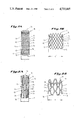
How Doctors Implant a Permanent Stent Using a Balloon
This patent describes the method for placing a permanent, expandable wire mesh tube inside a blood vessel or other body tube using a balloon-tipped catheter to widen it and keep it open.
6
Boosting Anti-Infective Activity with Muramyldipeptides and Liposomes
This patent describes a method to make anti-infective drugs called muramyldipeptides work better by injecting them separately but close in time with tiny fat bubbles called liposomes into an animal.
7
How to Make Many Copies of a DNA Piece with Heat
This patent describes the Polymerase Chain Reaction (PCR) method, a technique to make millions of copies of a specific DNA segment using a heat-resistant enzyme and repeated temperature changes.
8
How to Encapsulate Active Materials in Lipid Bubbles Efficiently
This patent describes a method for trapping biologically active substances inside tiny, multi-layered fat bubbles called liposomes, using a specific water-in-oil emulsion and gel-forming process to improve how much material gets captured.
9
How Two Special Antibodies Find Substances in Body Fluids
This patent describes a "sandwich" method using two highly specific, man-made antibodies to detect and measure tiny amounts of specific substances, like disease markers, in a fluid sample.
10
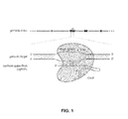
How to Edit Genes in Human Cells Using an Engineered CRISPR System
This patent describes an engineered CRISPR-Cas9 system for precisely cutting DNA in eukaryotic cells to change how genes work, opening the door for gene editing in complex organisms.
11
How an Enzyme Helps Find Specific DNA in a Sample
This patent describes a method for detecting a specific DNA sequence in a sample by using a labeled DNA probe and an enzyme that cuts the probe, releasing detectable fragments.
12
How to Redesign Mouse Antibodies for Safe Use in Humans
Genentech's 1995 patent on a systematic method for humanizing rodent antibodies by grafting their disease-targeting loops onto a human consensus framework while carefully swapping key structural support residues to maintain binding strength.
13
Making High-Concentration Antibody Medicines Stable for Injection
Genentech's 2001 patent on a method to create stable, concentrated antibody medicines that can be easily reconstituted for injection, preventing degradation during freezing and storage.
14
How Engineered Antibodies Target TGF-beta Proteins to Fight Cancer
This patent describes specific engineered antibodies, made from mouse and human parts, designed to block TGF-beta proteins to help treat various cancers like breast or lung cancer.
15
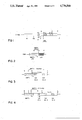
Mice Engineered to Develop Cancer for Research
Harvard's 1988 patent on genetically engineered mice that carry cancer-causing genes, designed to help scientists study how cancer develops and test treatments.
16
New Pyrimidine Chemical Compounds for Treating Tumors
This patent describes specific new chemical compounds, called N-phenyl-2-pyrimidine-amine derivatives, designed with precise molecular structures for potential use in treating cancer.
17
How a Cholesterol-Lowering Drug Molecule Was Patented
This patent protects the specific chemical structure of a molecule designed to lower cholesterol, including its various salt forms and its use in medicine.
18
How Human Antibodies Block the Immune System's Off-Switch
Abgenix's 1999 patent on fully human monoclonal antibodies that bind to CTLA-4, a protein brake on the immune system, allowing T-cells to stay active and attack cancer cells.
19
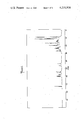
The Discovery of Lovastatin for Lowering Cholesterol
A 1979 patent by Merck describing the isolation of a fermentation product from Aspergillus fungi that effectively lowers cholesterol levels in the blood.
20
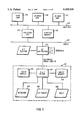
How to Build Smaller, Synthetic Antibody-Like Molecules for Medicine
This patent describes a way to create small, single-chain proteins that mimic the binding power of full-sized antibodies to deliver medicine more effectively.
21
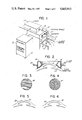
How Lasers Correct Vision by Reshaping the Eye's Front Surface
This patent describes a method for precisely reshaping the front surface of the eye using an ultraviolet laser to correct vision problems like nearsightedness, farsightedness, and astigmatism.
22
Antibodies That Block Tumor Necrosis Factor Alpha (TNFα)
This 2000 patent describes specific human antibodies designed to strongly bind and neutralize a protein called TNFα, which is linked to inflammation and autoimmune diseases.
23
How to Make Human Erythropoietin (EPO) Using Engineered DNA
This patent describes the specific DNA sequences and methods to engineer cells to produce erythropoietin (EPO), a protein vital for red blood cell production, outside the human body.
24
How Scientists First Made DNA Replicate in New Cells
This 1980 patent describes a method for cutting and pasting DNA pieces in a lab to create new, self-replicating genetic material that can be inserted into bacteria, a foundational technique for genetic engineering.
25
How Special Sugars Make Medicines Dissolve Better
This patent describes how to make poorly water-soluble drugs dissolve and absorb better by mixing them with specially modified, non-crystalline sugar molecules called cyclodextrin derivatives.
26
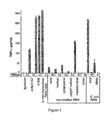
How Modified RNA Tricks Cells Into Making Proteins Without Triggering Attacks
A breakthrough method for using modified RNA to deliver instructions to cells without causing the body to reject the treatment as a foreign invader.
27
How Genentech Created Antibodies to Stop Tumor Growth
A 1997 patent describing a specific humanized antibody designed to block VEGF, a protein that helps tumors grow their own blood supply.
28
Detecting Genetic Differences Using DNA Probes and Enzymes
This 1987 patent describes a method to find tiny differences in DNA sequences by using special DNA pieces (probes) and cutting enzymes, which can help diagnose genetic conditions like sickle cell anemia.
29
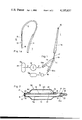
Catheter System for Opening and Closing Body Passages
This 1980 patent describes a medical catheter system with a guide catheter and a special dilatation catheter that can expand to open or close body passages, like blood vessels.
30
Using Radioactive Antibodies to Treat B-Cell Lymphoma
A method for treating B-cell lymphoma by using radioactive antibodies to target cancer cells without destroying the patient's bone marrow.
Most cited in other domains