Most Cited Patents · Consumer Electronics
Most cited consumer electronics patents
Ranked by forward citations — the smartphones, displays, and wearables inventions that later patents built upon most.
Patents ranked
30
Total citations
27,469
Top patent
2,641 cit
1
How a Multi-Touch Screen Detects Multiple Fingers and Palms
This patent describes the underlying electronic circuits and methods for a multi-touch surface that can track multiple fingers and palms simultaneously, even before they fully touch the screen.
2
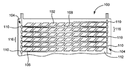
How Multi-Touch Screens Track Multiple Fingers at Once
Apple's 2010 patent describes a touch screen that uses two layers of transparent conductive lines to detect several fingers touching the screen simultaneously.
3
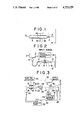
How Canon's Bubble Jet Printers Make Ink Droplets
Canon's 1988 patent on bubble jet printing uses a tiny heater to instantly vaporize ink, creating a bubble that pushes out a droplet of ink from the printer head.
4
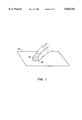
Logitech's Method for Using Two Fingers on a Touchpad
Logitech's 1998 patent describes how a touchpad can detect two fingers touching it in a specific sequence to perform actions like clicking or dragging, going beyond single-finger mouse emulation.
5
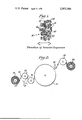
Making Strong, Porous PTFE: The Gore-Tex Process
This patent describes a specific process for rapidly stretching a highly crystalline form of PTFE plastic to create a strong, porous material with a unique internal structure, forming the basis for products like Gore-Tex.
6
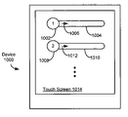
How the iPhone's Slide-to-Unlock Gesture Works
Apple's 2010 patent describes unlocking a device by dragging a specific graphical image across the touchscreen along a predefined path, a gesture that became iconic with the original iPhone.
7
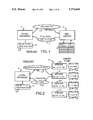
How Load Balancers Route Web Traffic Based on Specific Content
A method for web servers to route user requests to specific machines based on which files they store, rather than just blindly balancing traffic across all servers.
8
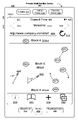
How Touchscreens Understand Your Finger Swipes and Scrolls
This patent describes how touchscreens use smart rules, called heuristics, to figure out if your finger movement means scrolling up, moving around a map, or flipping to the next photo, especially by looking at how you start your swipe.
9
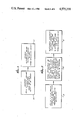
How 3D Printers Build Objects Layer by Layer from Liquid
This patent describes the foundational method for 3D printing, where a machine builds a three-dimensional object layer by layer by hardening a liquid material with light or other energy.
10
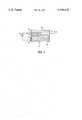
How Organic Diodes Make Light Using Special Molecules
Eastman Kodak's 1982 patent on creating light-emitting diodes (OLEDs) using organic materials, specifically a layer of porphyrinic compounds to help inject electrical charges.
11
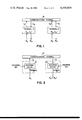
How RSA Public-Key Encryption Keeps Digital Messages Secret
This patent describes the foundational RSA algorithm, a method for securely sending messages where anyone can encrypt a message using a public key, but only the intended recipient can decrypt it using a secret private key.
12
How Phones Sense Your Finger Hovering Without Touching the Screen
This patent describes a system for electronic devices, like phones, to detect a finger hovering just above the screen, display a specific interactive element below it, and then let you control that element with gestures without ever making contact.
13
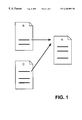
How Websites Get Ranked by Importance
This patent describes a computer method for scoring documents in a linked database, like the internet, by considering the importance of other documents that link to them, helping search engines find better results.
14
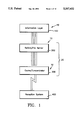
Prodigy's System for Interactive Online Information and Shopping
Prodigy's 1994 patent outlines an interactive online system that delivered news, shopping, and banking to personal computers by breaking applications into 'objects' stored locally or remotely, and used user data for targeted ads.
15
How TiVo Pauses and Rewinds Live Television
TiVo's 1998 patent on a digital video recorder that converts television signals into digital files, splits them into audio and video, and stores them on a hard drive to allow simultaneous recording and playback.
16
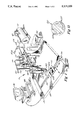
How Machines Build 3D Objects Layer by Layer from Melting Plastic
This patent describes a method and machine for creating three-dimensional objects by precisely depositing melted material, layer by layer, from a movable nozzle onto a base.
17
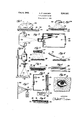
Chester Carlson's Original Xerography Patent
Chester Carlson's 1942 patent for xerography, the dry copying process that became the foundation for Xerox machines.
18
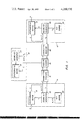
How to Create a Secret Code Key Without Meeting First
This 1980 patent describes a way for two people to create a secret code key over a public channel, like the internet, without ever meeting or sharing the key directly.
19
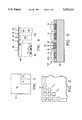
How a Modern Camera Sensor Captures Light and Converts It to Data
This patent describes a camera sensor technology that combines light-capturing elements with a special circuit to read out the image data quickly and efficiently, all on a single chip.
20
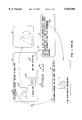
How Web Browsers Run Embedded Programs Inside Documents
A 1994 invention that allowed web browsers to automatically launch and run external programs directly inside a webpage, enabling interactive content like 3D models or complex data viewers.
21
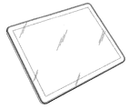
The Design Patent for the Original iPod Mini
This is a design patent protecting the specific physical appearance and shape of Apple's iPod Mini, which helped define the look of portable music players in the mid-2000s.
22
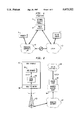
How Early Mobile Devices Accessed the Internet Using Split Proxies
A 1996 system that made the early web usable on slow, unreliable wireless connections by using two 'proxy' servers to shrink and simplify data before sending it.
23
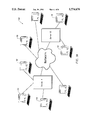
How Websites Remember You Using Stored Data
Netscape's 1998 patent on storing small pieces of website information (like login details or preferences) on your computer so the website can recall them later, enabling personalized experiences and smoother navigation.
24
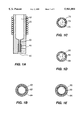
Tiny Capsules for Electronic Paper Displays
MIT's 1999 patent on a special ink made of tiny capsules that can change color when an electric field is applied, forming the basis for early e-readers.
25
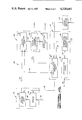
How Stores Make Custom Products On-Demand with Remote Approval
This patent describes a system where a store can make a custom product for a customer, but only after getting permission and the necessary design information from a central, remote office.
26
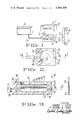
How Piezoelectric Inkjet Printing Works
A 1970 patent describing how to print images by using electrical pulses to bend a tiny crystal plate, squeezing individual ink drops out of a nozzle on demand.
27
How Google Ads Detect Which Web Page You Are Viewing
A method for web browsers to identify the correct webpage address to show relevant advertisements, even when the ad code is hidden inside a frame.
28
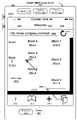
How Touchscreens Show and Snap Back When You Scroll Past an Edge
Apple's 2008 patent describes how a touchscreen device displays a blank area when a user scrolls past the edge of a document, then smoothly snaps the document back into place when the user lifts their finger.
29
How Digital Maps Are Built From Small Image Pieces
Google's 2007 patent on how to assemble small map images, called tiles, into a larger map view on your device, enabling smooth zooming and panning.
30
Sticky, Tiny Plastic Balls Made from Acrylates
This 1972 patent describes how to make tiny, sticky, and durable plastic balls (microspheres) using a specific mix of acrylate chemicals and a special water-based process.
Most cited in other domains