Making Insulin Last Longer with Tiny Coated Drug Particles
This patent describes how to create tiny, layered particles that can hold insulin and release it slowly into the body, aiming for longer-lasting diabetes treatment.
Original patent title: “Method and system for synthesizing nanocarrier based long acting drug delivery system for insulin”
This patent describes how to create tiny, layered particles that can hold insulin and release it slowly into the body, aiming for longer-lasting diabetes treatment. Granted to Tehram in 2016 with 9 claims, and it is expected to expire in 2034.
Coverage
What does this patent actually cover?
This patent details a method for creating nanoparticles designed to deliver insulin over an extended period. The core of these nanoparticles is an aqueous phase containing insulin, as described in claimclaimA numbered sentence at the end of a patent that legally defines what the inventor owns. The most important section.Read more → 1. This core is surrounded by a lipid layer, which can be made from specific fats like palmitic acid or glyceryl stearate, and a phospholipid bilayer. Finally, a chitosan shell or coat encapsulates the entire structure. For example, a method outlined in claim 5 involves dissolving specific lipids and phospholipids in an organic solvent, then adding this mixture dropwise to an aqueous solution containing insulin. A chitosan solution is then added, causing the nanoparticles to form and trap the insulin inside, allowing for slow release after injection.
The gap
What does this patent NOT cover?
- Does not cover insulin delivery systems that do not use a lipid/phospholipid core with an aqueous insulin phase and a chitosan shell.
- Does not cover nanoparticles with a zeta potential outside the range of 10 mv to 30 mv, or a peak size distribution not at 128.5 nm.
- Does not cover methods of synthesis that do not involve adding an organic solution of lipids dropwise to an aqueous insulin solution.
- Does not cover long-acting insulin formulations that are not based on entrapping insulin within nanoparticles.
- Does not cover nanoparticles where the lipid component is not selected from monostearyl glycerol, distearyl glycerol, palmitic acid, stearic acid, or glyceryl stearate.
These exclusions are unique to PatentBrief — derived from the actual claim language, not patent-office boilerplate.
Key facts
What made this novel
The noveltynoveltyThe requirement that an invention be different from anything publicly known before its priority date.Read more → lies in the specific layered structure of the nanoparticle, combining an aqueous insulin core with lipid, phospholipid, and chitosan layers, and the precise method of forming these particles via solvent diffusion to achieve controlled, slow release.
The Patent Drawing
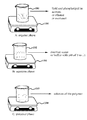
Schematic visualization of the patent's claim structure. Hand-drawn diagrams in progress for each landmark patent.
Where you've seen this
Real-world examples
Experimental long-acting insulin formulations
Nanoparticle-based drug delivery research
Advanced diabetes treatment concepts
Why it matters
The bigger picture
Managing diabetes often requires multiple daily insulin injections. This patent aims to reduce injection frequency by creating a system where insulin is released slowly over time. If successful, such a system could improve the quality of life for people with diabetes by making their treatment regimen less burdensome. It represents an effort to advance drug delivery technology for chronic conditions.
Filed
July 21, 2014
Granted
June 21, 2016
Market context
Who's building on this
Companies in this space
Given the patent's zero forward citationsforward citationsLater patents that cite this one as prior art. High counts signal foundational influence.Read more →, it appears that direct commercial development based specifically on this patent's claimsclaimsThe numbered statements at the end of a patent that legally define what the inventor owns.Read more → has not widely occurred. However, the broader field of nanocarrier-based drug delivery for long-acting formulations is an active area of research for pharmaceutical companies like Novo Nordisk, Eli Lilly, and Sanofi, as well as numerous biotech startups focusing on advanced drug delivery systems.
Market impact
This specific patent has not demonstrably created a new market category or triggered significant litigationlitigationA lawsuit over patent infringement. Litigated patents often signal commercial importance.Read more →, likely due to its zero forward citationsforward citationsLater patents that cite this one as prior art. High counts signal foundational influence.Read more →. However, the underlying concept of using nanocarriers for long-acting drug delivery, particularly for chronic conditions like diabetes, continues to be a focus for innovation in the pharmaceutical industry. The market for diabetes treatments constantly seeks improvements in patient convenience and efficacy, which long-acting formulations aim to address.
Claim 1 — Plain English
What this patent covers
This patent details a method for creating nanoparticles designed to deliver insulin over an extended period. The core of these nanoparticles is an aqueous phase containing insulin, as described in claim 1. This core is surrounded by a lipid layer, which can be made from specific fats like palmitic acid or glyceryl stearate, and a phospholipid bilayer. Finally, a chitosan shell or coat encapsulates the entire structure. For example, a method outlined in claim 5 involves dissolving specific lipids and phospholipids in an organic solvent, then adding this mixture dropwise to an aqueous solution containing insulin. A chitosan solution is then added, causing the nanoparticles to form and trap the insulin inside, allowing for slow release after injection.
The clever bit
The novelty lies in the specific layered structure of the nanoparticle, combining an aqueous insulin core with lipid, phospholipid, and chitosan layers, and the precise method of forming these particles via solvent diffusion to achieve controlled, slow release.
What it does not cover
- Does not cover insulin delivery systems that do not use a lipid/phospholipid core with an aqueous insulin phase and a chitosan shell.
- Does not cover nanoparticles with a zeta potential outside the range of 10 mv to 30 mv, or a peak size distribution not at 128.5 nm.
- Does not cover methods of synthesis that do not involve adding an organic solution of lipids dropwise to an aqueous insulin solution.
- Does not cover long-acting insulin formulations that are not based on entrapping insulin within nanoparticles.
- Does not cover nanoparticles where the lipid component is not selected from monostearyl glycerol, distearyl glycerol, palmitic acid, stearic acid, or glyceryl stearate.
Patent timeline
Application submitted to the patent office
Application published, typically 18 months after filing
Patent officially issued
Patent enters public domain
PatentBrief Score
Impact Score
Limited data
Citation count
0/40
No citations yet
Claim breadth
6/20
Moderate scope
Recency
5/20
Granted 10–20 years ago
Assignee scale
0/20
Independent or smaller assigneeassigneeThe entity that owns the patent — usually the inventor's employer or a company.Read more →
PatentBrief Impact Score — based on citation count, claim breadth, recency, and assignee scale. Not a legal assessment.
Heuristic Value Estimate
What this patent might be worth
$38K – $120K
Midpoint $75K · 7.9 yr remaining · industry ×3.0
Heuristic only — blends forward/backward citation counts, claim scope, time remaining, litigation history, and CPC-derived industry baseline. Real valuations need a professional appraisal.
Claim text not yet imported for this patent
The original legal language
Original claims
9 claims as filed with the patent office.
Concepts involved
Citations
Patent lineage
Cite this patent
Hamidi, M. (2016). Making Insulin Last Longer with Tiny Coated Drug Particles (U.S. Patent No. 9,370,488). U.S. Patent and Trademark Office. https://patentbrief.org/patent/us/9370488/method-and-system-for-synthesizing-nanocarrier-based-long-acting-drug-delivery-s
Auto-generated from the patent record. Double-check author order and the issue date against the official USPTO document before submitting.
Embed
Add this patent to your site
Drop this plain-English patent card into any blog post or article — free, no signup. It always links back to the full breakdown here.
<div data-patentlens-widget data-patent-number="US9370488"></div>
<script src="https://patentbrief.org/embed.js" async></script>
Stay in the loop
Get a weekly digest of new patents.
One email per week. No spam. Unsubscribe anytime.
Keep exploring
Related patents you should know
US 4683195 · 1987
How to Make Billions of Copies of a DNA Segment
This patent describes the Polymerase Chain Reaction (PCR), a method to rapidly create many copies of a specific piece of DNA or RNA, enabling its detection and analysis.
Cetus Corp
US 8697359 · 2014
How to Edit Genes in Human Cells Using an Engineered CRISPR System
This patent describes an engineered CRISPR-Cas9 system for precisely cutting DNA in eukaryotic cells to change how genes work, opening the door for gene editing in complex organisms.
Massachusetts Institute of Technology
US 7657849 · 2010
How the iPhone's Slide-to-Unlock Gesture Works
Apple's 2010 patent describes unlocking a device by dragging a specific graphical image across the touchscreen along a predefined path, a gesture that became iconic with the original iPhone.
Apple Inc
US 4733665 · 1988
How Doctors Implant a Permanent Stent Using a Balloon
This patent describes the method for placing a permanent, expandable wire mesh tube inside a blood vessel or other body tube using a balloon-tipped catheter to widen it and keep it open.
Expandable Grafts Partnership
US 4965188 · 1990
How to Make Many Copies of a DNA Piece with Heat
This patent describes the Polymerase Chain Reaction (PCR) method, a technique to make millions of copies of a specific DNA segment using a heat-resistant enzyme and repeated temperature changes.
Cetus Corp
US 4235871 · 1980
How to Encapsulate Active Materials in Lipid Bubbles Efficiently
This patent describes a method for trapping biologically active substances inside tiny, multi-layered fat bubbles called liposomes, using a specific water-in-oil emulsion and gel-forming process to improve how much material gets captured.
Individual
Semantically similar
You might also find these interesting
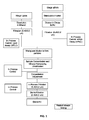
US 10155945 · 2018 · Nitto Denko Corp
How to Build Tiny Lipid Capsules to Deliver Genetic Medicines
US 4235871 · 1980
How to Encapsulate Active Materials in Lipid Bubbles Efficiently
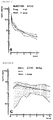
US 20220304938 · Nanosphere Health Sciences
Tiny Lipid Balls for Precise, Better-Absorbed Cannabinoid Medicine
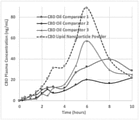
US 11260033 · 2022 · Disruption Labs
How Tiny Particles Make CBD Easier to Absorb
More to explore
More in Biotech & Medicine
US 4683195 · 1987 · Cetus Corp
How to Make Billions of Copies of a DNA Segment
US 8697359 · 2014 · Massachusetts Institute of Technology
How to Edit Genes in Human Cells Using an Engineered CRISPR System
US 4733665 · 1988 · Expandable Grafts Partnership
How Doctors Implant a Permanent Stent Using a Balloon
US 4965188 · 1990 · Cetus Corp
How to Make Many Copies of a DNA Piece with Heat
New to patents?
Common Questions
Frequently Asked Questions
What does Making Insulin Last Longer with Tiny Coated Drug Particles cover?
This patent describes how to create tiny, layered particles that can hold insulin and release it slowly into the body, aiming for longer-lasting diabetes treatment.
Who owns patent US 9370488?
Tehram owns this patent, granted in 2016.
When does this patent expire?
This patent is expected to expire on July 21, 2034, when the invention enters the public domain.
What problem does this patent solve?
Managing diabetes often requires multiple daily insulin injections. This patent aims to reduce injection frequency by creating a system where insulin is released slowly over time. If successful, such a system could improve the quality of life for people with diabetes by making their treatment regimen less burdensome. It represents an effort to advance drug delivery technology for chronic conditions.
What does this patent NOT cover?
Does not cover insulin delivery systems that do not use a lipid/phospholipid core with an aqueous insulin phase and a chitosan shell.
Patent monitoring