Specification
Definition
The written descriptionwritten description112 requirement: the inventor must show they actually possessed the claimed invention at filing — not just had a vague idea.Read more → portion of a patent application — everything except the claimsclaimsThe numbered statements at the end of a patent that legally define what the inventor owns.Read more →. The specificationspecificationThe main body of the patent — describes the invention in detail. Used to interpret the claims.Read more → must describe the invention in enough detail that someone skilled in the field could make and use it. It typically includes background of the invention, a summary, a description of the drawings, and a detailed description of at least one embodiment. Courts use the specification to interpret what claimclaimA numbered sentence at the end of a patent that legally defines what the inventor owns. The most important section.Read more → terms mean.
Where this comes up
In practice
Patents that use “Specification”
See the concept in real landmark patents, each explained in plain English.
US 8606792 · 2013 · Google LLC
How Google's Patent Scores Authors and Posts on Messaging Systems
US 4356270 · 1982 · Genentech Inc
How Scientists Taught Bacteria to Make Human Hormones
US 3792322 · 1974
How Buried Channel CCDs Move Data Deep Inside Silicon Chips
US 3138743 · 1964 · Texas Instruments Inc
How Jack Kilby Invented the First Integrated Circuit
US 12073418 · 2024 · Shiseido Co Ltd
How Apps Can Help You Tweak Your Custom Makeup Colors
US 8689253 · 2014 · Sharp Laboratories of America Inc
How Remote Servers Automatically Adjust Your TV Settings
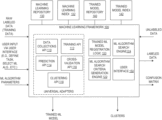
US 12340293 · 2025 · International Business Machines
How a System Finds and Creates Machine Learning Models
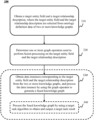
US 20240144032 · Alipay Hangzhou Information Technology Co
How to Combine Information from Multiple Knowledge Graphs
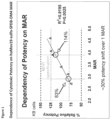
US 20230364252 · Immunogen
Making Antibody Drug Conjugate Medicines Consistent Across Batches
Related terms
Keep going
See specification in real patents:
Search PatentBrief →