Claim
Definition
The numbered sentences at the end of a patent that define exactly what is legally protected. ClaimsclaimsThe numbered statements at the end of a patent that legally define what the inventor owns.Read more → are the only part of a patent that determine infringementinfringementMaking, using, selling, or importing a patented invention without permission from the patent holder.Read more → — if a product or process doesn't fall within the scope of at least one claimclaimA numbered sentence at the end of a patent that legally defines what the inventor owns. The most important section.Read more →, there is no infringement. Every other part of a patent (abstractabstractA short summary at the front of the patent describing the invention. Not legally binding.Read more →, drawings, specificationspecificationThe main body of the patent — describes the invention in detail. Used to interpret the claims.Read more →) exists to support and illuminate the claims.
Where this comes up
In practice
Patents that use “Claim”
See the concept in real landmark patents, each explained in plain English.
US 4683195 · 1987 · Cetus Corp
How to Make Billions of Copies of a DNA Segment
US 8697359 · 2014 · Massachusetts Institute of Technology
How to Edit Genes in Human Cells Using an Engineered CRISPR System
US 7657849 · 2010 · Apple Inc
How the iPhone's Slide-to-Unlock Gesture Works
US 4733665 · 1988 · Expandable Grafts Partnership
How Doctors Implant a Permanent Stent Using a Balloon
US 4965188 · 1990 · Cetus Corp
How to Make Many Copies of a DNA Piece with Heat
US 4235871 · 1980
How to Encapsulate Active Materials in Lipid Bubbles Efficiently
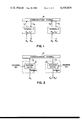
US 4405829 · 1983 · Massachusetts Institute of Technology
How RSA Public-Key Encryption Keeps Digital Messages Secret
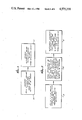
US 4575330 · 1986 · UVP Inc
How 3D Printers Build Objects Layer by Layer from Liquid
US 4683202 · 1987 · Cetus Corp
How to Make Many Copies of a Specific DNA Segment
Related terms
Keep going
See claim in real patents:
Search PatentBrief →