Novelty
Definition
The requirement that an invention must be new — not previously known, used, or disclosed publicly anywhere in the world before the filing datefiling dateThe day the patent application was submitted to the USPTO. Sets the priority date for prior-art comparisons.Read more →. Under the America Invents Act (2013), the US uses a first-to-file system: the applicant who files first gets priority, regardless of who invented first. Even the inventorinventorThe person who actually conceived the invention. Listed on the patent regardless of who owns it.Read more → can destroy noveltynoveltyThe requirement that an invention be different from anything publicly known before its priority date.Read more → by publicly disclosing the invention more than a year before filing.
Where this comes up
In practice
Patents that use “Novelty”
See the concept in real landmark patents, each explained in plain English.
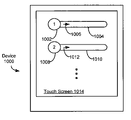
US 7657849 · 2010 · Apple Inc
How the iPhone's Slide-to-Unlock Gesture Works
US 4683202 · 1987 · Cetus Corp
How to Make Many Copies of a Specific DNA Segment
US 5521184 · 1996 · Ciba Geigy Corp
New Pyrimidine Chemical Compounds for Treating Tumors
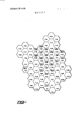
US 3906166 · 1975 · Motorola Inc
How Early Cell Phones Handled Calls Across Different Towers
US 4703008 · 1987 · Kirin Amgen Inc
How to Make Human Erythropoietin (EPO) Using Engineered DNA
US 4727064 · 1988 · US Department of Health and Human Services
How Special Sugars Make Medicines Dissolve Better
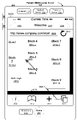
US 7469381 · 2008 · Apple Inc
How Touchscreens Show and Snap Back When You Scroll Past an Edge
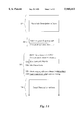
US 5960411 · 1999 · Amazon com Inc
How Amazon's One-Click Ordering Works for Online Purchases
US 4522811 · 1985 · Syntex USA LLC
Boosting Anti-Infective Activity with Muramyldipeptides and Liposomes
Related terms
Keep going
See novelty in real patents:
Search PatentBrief →