How Radio Waves Measure Heart Movement and Fluid in the Chest
This patent describes a diagnostic system that uses multiple radio frequency antennas placed on the chest to send waves towards the heart, then analyzes the scattered signals to measure the heart's movement in detail.
Original patent title: “Methods and systems for determining fluid content of tissue”
This patent describes a diagnostic system that uses multiple radio frequency antennas placed on the chest to send waves towards the heart, then analyzes the scattered signals to measure the heart's movement in detail. Granted in 2026.
Coverage
What does this patent actually cover?
The patent details a diagnostic device equipped with multiple antennas designed to be placed at different spots on a person's chest, or thorax. These antennas direct radio frequency (RF) electromagnetic waves from various angles towards the heart. The waves interact with the heart tissue and scatter back, and these scattered RF signals are then picked up by the antennas. Processing circuitry within the device analyzes these signals over time to create a detailed, multi-dimensional measurement of the heart's movement. For instance, this could allow doctors to monitor subtle changes in heart wall motion or detect fluid buildup around the heart by observing how its movement patterns change.
The gap
What does this patent NOT cover?
- Does not cover diagnostic systems that use sound waves (like ultrasound) to measure heart movement or fluid content.
- Does not cover systems that measure fluid content or movement in other body parts, such as the lungs or limbs, as it specifies the 'thorax' and 'heart'.
- Does not cover diagnostic devices that rely on a single antenna to send and receive radio frequency waves.
- Does not cover systems that only provide a one-dimensional measurement of heart movement, as it specifies a 'multi-dimensional measurement'.
- Does not cover direct electrical measurements of heart activity, such as those obtained through an electrocardiogram (ECG).
These exclusions are unique to PatentBrief — derived from the actual claim language, not patent-office boilerplate.
Key facts
What made this novel
The noveltynoveltyThe requirement that an invention be different from anything publicly known before its priority date.Read more → lies in using multiple radio frequency antennas positioned at different locations on the chest to direct waves from various angles towards the heart. By analyzing the scattered waves, the system can provide a rich, multi-dimensional measurement of heart movement, offering a more comprehensive view than simpler sensing methods.
Schematic visualization of the patent's claim structure. Hand-drawn diagrams in progress for each landmark patent.
Where you've seen this
Real-world examples
Advanced cardiac monitoring devices
Non-invasive fluid overload detection systems
Remote patient monitoring solutions for heart conditions
Why it matters
The bigger picture
Monitoring heart movement and fluid content is crucial for diagnosing and managing various cardiovascular conditions, including heart failure and fluid overload. This technology could offer a non-invasive way to gather detailed cardiac information, potentially leading to earlier detection and more personalized treatment strategies. Improved diagnostic tools can enhance patient outcomes by providing more precise data than current methods.
Filed
July 12, 2024
Granted
September 15, 2026
Market context
Who's building on this
Companies in this space
Companies in the medical device and diagnostic imaging sectors are actively developing advanced non-invasive cardiac monitoring technologies. Major players like Philips, GE Healthcare, and Siemens Healthineers, along with a range of specialized startups, are continuously exploring new ways to gather detailed physiological data from the heart using various sensing modalities, including radio frequency techniques.
Market impact
This type of technology could significantly impact the market for cardiac diagnostics by offering a non-invasive, potentially more detailed alternative to existing methods. It could enable earlier detection of conditions like heart failure and fluid overload, reducing hospital readmissions and improving patient management. The ability to provide multi-dimensional movement data could also open new avenues for research into cardiac biomechanics and disease progression.
Claim 1 — Plain English
What this patent covers
The patent details a diagnostic device equipped with multiple antennas designed to be placed at different spots on a person's chest, or thorax. These antennas direct radio frequency (RF) electromagnetic waves from various angles towards the heart. The waves interact with the heart tissue and scatter back, and these scattered RF signals are then picked up by the antennas. Processing circuitry within the device analyzes these signals over time to create a detailed, multi-dimensional measurement of the heart's movement. For instance, this could allow doctors to monitor subtle changes in heart wall motion or detect fluid buildup around the heart by observing how its movement patterns change.
The clever bit
The novelty lies in using multiple radio frequency antennas positioned at different locations on the chest to direct waves from various angles towards the heart. By analyzing the scattered waves, the system can provide a rich, multi-dimensional measurement of heart movement, offering a more comprehensive view than simpler sensing methods.
What it does not cover
- Does not cover diagnostic systems that use sound waves (like ultrasound) to measure heart movement or fluid content.
- Does not cover systems that measure fluid content or movement in other body parts, such as the lungs or limbs, as it specifies the 'thorax' and 'heart'.
- Does not cover diagnostic devices that rely on a single antenna to send and receive radio frequency waves.
- Does not cover systems that only provide a one-dimensional measurement of heart movement, as it specifies a 'multi-dimensional measurement'.
- Does not cover direct electrical measurements of heart activity, such as those obtained through an electrocardiogram (ECG).
Patent timeline
Application submitted to the patent office
Patent officially issued
PatentBrief Score
Impact Score
Early stage
Citation count
0/40
No citations yet
Claim breadth
0/20
Narrow claimsclaimsThe numbered statements at the end of a patent that legally define what the inventor owns.Read more →
Recency
20/20
Granted within 5 years
Assignee scale
0/20
Independent or smaller assigneeassigneeThe entity that owns the patent — usually the inventor's employer or a company.Read more →
PatentBrief Impact Score — based on citation count, claim breadth, recency, and assignee scale. Not a legal assessment.
Heuristic Value Estimate
What this patent might be worth
$26K – $84K
Midpoint $53K · 17.8 yr remaining · industry ×2.2
Heuristic only — blends forward/backward citation counts, claim scope, time remaining, litigation history, and CPC-derived industry baseline. Real valuations need a professional appraisal.
Claim text not yet imported for this patent
Concepts involved
Cite this patent
(2026). How Radio Waves Measure Heart Movement and Fluid in the Chest (U.S. Patent No. 12,733,904). U.S. Patent and Trademark Office. https://patentbrief.org/patent/us/12733904/methods-and-systems-for-determining-fluid-content-of-tissue
Auto-generated from the patent record. Double-check author order and the issue date against the official USPTO document before submitting.
Embed
Add this patent to your site
Drop this plain-English patent card into any blog post or article — free, no signup. It always links back to the full breakdown here.
<div data-patentlens-widget data-patent-number="US12733904"></div>
<script src="https://patentbrief.org/embed.js" async></script>
Stay in the loop
Get a weekly digest of new patents.
One email per week. No spam. Unsubscribe anytime.
Keep exploring
Related patents you should know
US 4683195 · 1987
How to Make Billions of Copies of a DNA Segment
This patent describes the Polymerase Chain Reaction (PCR), a method to rapidly create many copies of a specific piece of DNA or RNA, enabling its detection and analysis.
Cetus Corp
US 8697359 · 2014
How to Edit Genes in Human Cells Using an Engineered CRISPR System
This patent describes an engineered CRISPR-Cas9 system for precisely cutting DNA in eukaryotic cells to change how genes work, opening the door for gene editing in complex organisms.
Massachusetts Institute of Technology
US 7657849 · 2010
How the iPhone's Slide-to-Unlock Gesture Works
Apple's 2010 patent describes unlocking a device by dragging a specific graphical image across the touchscreen along a predefined path, a gesture that became iconic with the original iPhone.
Apple Inc
US 4733665 · 1988
How Doctors Implant a Permanent Stent Using a Balloon
This patent describes the method for placing a permanent, expandable wire mesh tube inside a blood vessel or other body tube using a balloon-tipped catheter to widen it and keep it open.
Expandable Grafts Partnership
US 4965188 · 1990
How to Make Many Copies of a DNA Piece with Heat
This patent describes the Polymerase Chain Reaction (PCR) method, a technique to make millions of copies of a specific DNA segment using a heat-resistant enzyme and repeated temperature changes.
Cetus Corp
US 4235871 · 1980
How to Encapsulate Active Materials in Lipid Bubbles Efficiently
This patent describes a method for trapping biologically active substances inside tiny, multi-layered fat bubbles called liposomes, using a specific water-in-oil emulsion and gel-forming process to improve how much material gets captured.
Individual
Semantically similar
You might also find these interesting
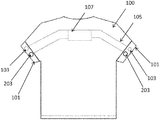
US 20200281484 · Well Being Digital
Smart Clothing That Compares Pulse Signals from Both Sides of Your Body
US 12189012 · 2025 · General Hospital Corp
Removing Radio Interference from Portable MRI Scans
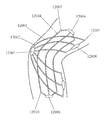
US 10234934 · 2019 · Medibotics
How Sensors Measure Body Joint Movement Across Different Sections
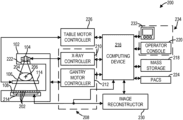
US 12048575 · 2024 · GE Precision Healthcare
How Doctors Use CT Scans and X-rays to Check Heart Arteries
More to explore
More in Biotech & Medicine
US 4683195 · 1987 · Cetus Corp
How to Make Billions of Copies of a DNA Segment
US 8697359 · 2014 · Massachusetts Institute of Technology
How to Edit Genes in Human Cells Using an Engineered CRISPR System
US 4733665 · 1988 · Expandable Grafts Partnership
How Doctors Implant a Permanent Stent Using a Balloon
US 4965188 · 1990 · Cetus Corp
How to Make Many Copies of a DNA Piece with Heat
New to patents?
Common Questions
Frequently Asked Questions
What does How Radio Waves Measure Heart Movement and Fluid in the Chest cover?
This patent describes a diagnostic system that uses multiple radio frequency antennas placed on the chest to send waves towards the heart, then analyzes the scattered signals to measure the heart's movement in detail.
When does this patent expire?
This patent is expected to expire on September 15, 2046, when the invention enters the public domain.
What problem does this patent solve?
Monitoring heart movement and fluid content is crucial for diagnosing and managing various cardiovascular conditions, including heart failure and fluid overload. This technology could offer a non-invasive way to gather detailed cardiac information, potentially leading to earlier detection and more personalized treatment strategies. Improved diagnostic tools can enhance patient outcomes by providing more precise data than current methods.
What does this patent NOT cover?
Does not cover diagnostic systems that use sound waves (like ultrasound) to measure heart movement or fluid content.
Patent monitoring