Storing Energy as Cold or Heat for Later Use
This patent describes a system that converts various energy sources, including renewables, into storable 'cold power' or 'heat power' for use in freezing, air conditioning, or heating industries.
Original patent title: “Energy storage energy system”
This patent describes a system that converts various energy sources, including renewables, into storable 'cold power' or 'heat power' for use in freezing, air conditioning, or heating industries. Owned by Individual with 31 claims and 5 forward citations, and it is expected to expire in 2044.
Coverage
What does this patent actually cover?
This energy storage system takes energy from various sources, like wind, solar, hydropower, or even industrial waste heat, and converts it into either 'cold power' or 'heat power' for storage. According to ClaimclaimA numbered sentence at the end of a patent that legally defines what the inventor owns. The most important section.Read more → 1, the stored cold power is then used as a cold source for industries like freezing or air conditioning refrigeration. Similarly, the stored heat power serves as a heat source for heating or heat supply industries. The system can use different storage methods, including 'phase change cold storage' like liquid air or ice (Claim 5), 'sensible heat storage cold' using oil or water (Claim 5), or 'phase change heat storage' like molten salt (Claim 6). For example, a wind farm could generate electricity, which is then used to liquefy air for storage, and this liquid air could later be expanded to provide cold for a refrigeration plant.
The gap
What does this patent NOT cover?
- Does not cover direct electrical energy storage systems like batteries or capacitors, as it focuses on thermal energy conversion and storage.
- Does not cover systems that generate cold or heat for immediate use without an intermediate storage step.
- Does not cover refrigeration or heating appliances that do not integrate with a dedicated cold or heat storage unit.
- Does not cover thermal energy storage methods not explicitly listed, such as thermochemical storage not involving phase change or sensible heat.
- Does not cover the specific end-use applications (e.g., the refrigerator itself) but rather the cold/heat source for them.
These exclusions are unique to PatentBrief — derived from the actual claim language, not patent-office boilerplate.
Key facts
What made this novel
The clever bit is the comprehensive integration of diverse energy inputs, including renewables, with a wide array of specific thermal energy storage technologies (both cold and heat) to provide a dispatchable energy source for existing heating and cooling markets.
The Patent Drawing
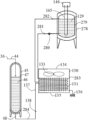
Schematic visualization of the patent's claim structure. Hand-drawn diagrams in progress for each landmark patent.
Where you've seen this
Real-world examples
District heating and cooling networks using central thermal storage
Large-scale industrial refrigeration powered by stored cold
Concentrated solar power plants using molten salt for heat storage
Liquid Air Energy Storage (LAES) facilities for grid balancing
Building heating systems integrating phase change material storage
Why it matters
The bigger picture
This patent aims to provide a flexible way to store energy, especially from intermittent renewable sources like wind and solar. The abstractabstractA short summary at the front of the patent describing the invention. Not legally binding.Read more → states it 'subverts the existing refrigerant compression cycle technology' and 'subverts boiler heat supply technology,' suggesting a move away from fossil fuels for heating and cooling. By storing energy as cold or heat, it can help balance energy grids and provide a stable supply for industrial and residential needs.
Filed
July 29, 2024
Market context
Who's building on this
Companies in this space
Companies like Siemens Energy and MAN Energy Solutions are active in large-scale energy storage solutions, including liquid air energy storage. Various utilities and energy providers globally are investing in district heating and cooling systems that integrate thermal energy storage. Startups focused on thermal batteries and phase change materials are also developing components for such systems, aiming to decarbonize industrial processes and building climate control.
Market impact
This type of energy storage system has the potential to significantly impact the heating and cooling markets by enabling a shift away from fossil fuel-fired boilers and traditional refrigeration compressors. It allows for better integration of intermittent renewable energy sources into the grid, providing a stable and dispatchable supply of thermal energy. This could lead to reduced carbon emissions and increased energy independence for industries and communities reliant on heating and cooling.
Claim 1 — Plain English
What this patent covers
This energy storage system takes energy from various sources, like wind, solar, hydropower, or even industrial waste heat, and converts it into either 'cold power' or 'heat power' for storage. According to Claim 1, the stored cold power is then used as a cold source for industries like freezing or air conditioning refrigeration. Similarly, the stored heat power serves as a heat source for heating or heat supply industries. The system can use different storage methods, including 'phase change cold storage' like liquid air or ice (Claim 5), 'sensible heat storage cold' using oil or water (Claim 5), or 'phase change heat storage' like molten salt (Claim 6). For example, a wind farm could generate electricity, which is then used to liquefy air for storage, and this liquid air could later be expanded to provide cold for a refrigeration plant.
The clever bit
The clever bit is the comprehensive integration of diverse energy inputs, including renewables, with a wide array of specific thermal energy storage technologies (both cold and heat) to provide a dispatchable energy source for existing heating and cooling markets.
What it does not cover
- Does not cover direct electrical energy storage systems like batteries or capacitors, as it focuses on thermal energy conversion and storage.
- Does not cover systems that generate cold or heat for immediate use without an intermediate storage step.
- Does not cover refrigeration or heating appliances that do not integrate with a dedicated cold or heat storage unit.
- Does not cover thermal energy storage methods not explicitly listed, such as thermochemical storage not involving phase change or sensible heat.
- Does not cover the specific end-use applications (e.g., the refrigerator itself) but rather the cold/heat source for them.
Patent timeline
Application submitted to the patent office
Patent enters public domain
PatentBrief Score
Impact Score
Early stage
Citation count
16/40
Early citations
Claim breadth
20/20
Very broad protection
Recency
0/20
Older than 20 years
Assignee scale
0/20
Independent or smaller assigneeassigneeThe entity that owns the patent — usually the inventor's employer or a company.Read more →
PatentBrief Impact Score — based on citation count, claim breadth, recency, and assignee scale. Not a legal assessment.
Heuristic Value Estimate
What this patent might be worth
$48K – $154K
Midpoint $96K · 17.7 yr remaining · industry baseline
Heuristic only — blends forward/backward citation counts, claim scope, time remaining, litigation history, and CPC-derived industry baseline. Real valuations need a professional appraisal.
Claim text not yet imported for this patent
The original legal language
Original claims
31 claims as filed with the patent office.
Concepts involved
Citations
Patent lineage
Cite this patent
WANG, Q., & WANG, M. Storing Energy as Cold or Heat for Later Use (U.S. Patent No. 20,240,418,454). U.S. Patent and Trademark Office. https://patentbrief.org/patent/us/20240418454/energy-storage-energy-system
Auto-generated from the patent record. Double-check author order and the issue date against the official USPTO document before submitting.
Embed
Add this patent to your site
Drop this plain-English patent card into any blog post or article — free, no signup. It always links back to the full breakdown here.
<div data-patentlens-widget data-patent-number="US20240418454"></div>
<script src="https://patentbrief.org/embed.js" async></script>
Stay in the loop
Get a weekly digest of new patents.
One email per week. No spam. Unsubscribe anytime.
Keep exploring
Related patents you should know
US 4683195 · 1987
How to Make Billions of Copies of a DNA Segment
This patent describes the Polymerase Chain Reaction (PCR), a method to rapidly create many copies of a specific piece of DNA or RNA, enabling its detection and analysis.
Cetus Corp
US 8697359 · 2014
How to Edit Genes in Human Cells Using an Engineered CRISPR System
This patent describes an engineered CRISPR-Cas9 system for precisely cutting DNA in eukaryotic cells to change how genes work, opening the door for gene editing in complex organisms.
Massachusetts Institute of Technology
US 7657849 · 2010
How the iPhone's Slide-to-Unlock Gesture Works
Apple's 2010 patent describes unlocking a device by dragging a specific graphical image across the touchscreen along a predefined path, a gesture that became iconic with the original iPhone.
Apple Inc
US 4733665 · 1988
How Doctors Implant a Permanent Stent Using a Balloon
This patent describes the method for placing a permanent, expandable wire mesh tube inside a blood vessel or other body tube using a balloon-tipped catheter to widen it and keep it open.
Expandable Grafts Partnership
US 4965188 · 1990
How to Make Many Copies of a DNA Piece with Heat
This patent describes the Polymerase Chain Reaction (PCR) method, a technique to make millions of copies of a specific DNA segment using a heat-resistant enzyme and repeated temperature changes.
Cetus Corp
US 4235871 · 1980
How to Encapsulate Active Materials in Lipid Bubbles Efficiently
This patent describes a method for trapping biologically active substances inside tiny, multi-layered fat bubbles called liposomes, using a specific water-in-oil emulsion and gel-forming process to improve how much material gets captured.
Individual
Semantically similar
You might also find these interesting
US 10480867 · 2019 · Tsinghua University
Smart Energy System for Power, Heating, and Cooling Grids
US 11532949 · 2022 · Augwind
How Heated Water and Compressed Air Generate Electricity
US 10756544 · 2020 · Doosan Heavy Industries and Construction Co
Managing Power with Different Types of Batteries in an Energy Storage System
US 12486789 · 2025 · Rondo Energy Inc
How Rondo Energy Stores Electricity as High-Temperature Industrial Heat
More to explore
More in Energy & Clean Tech
US RE49155 · 2022 · Halliburton Energy Services Inc
Electric or Natural Gas Blending and Pumping for Oil Wells
US 11436484 · 2022 · Nvidia Corp
Nvidia's Method for Training Self-Driving Car AI in Simulations
US 11840398 · 2023 · Titan Trailers Inc
How Titan Trailers Builds Stronger, Smoother Cargo Containers
US 2708656 · 1955
How the First Nuclear Reactor Works
New to patents?
Common Questions
Frequently Asked Questions
What does Storing Energy as Cold or Heat for Later Use cover?
This patent describes a system that converts various energy sources, including renewables, into storable 'cold power' or 'heat power' for use in freezing, air conditioning, or heating industries.
Who owns patent US 20240418454?
This patent is owned by Individual.
When does this patent expire?
This patent is expected to expire on July 29, 2044, when the invention enters the public domain.
What is patent US 20240418454 cited by?
This patent has been cited by 5 later patents that build on its ideas.
What problem does this patent solve?
This patent aims to provide a flexible way to store energy, especially from intermittent renewable sources like wind and solar. The abstract states it 'subverts the existing refrigerant compression cycle technology' and 'subverts boiler heat supply technology,' suggesting a move away from fossil fuels for heating and cooling. By storing energy as cold or heat, it can help balance energy grids and provide a stable supply for industrial and residential needs.
What does this patent NOT cover?
Does not cover direct electrical energy storage systems like batteries or capacitors, as it focuses on thermal energy conversion and storage.
Same assignee
More from Individual
Patent monitoring