Skip to content
PatentBrief
← Glossary/D

Design patent

Definition

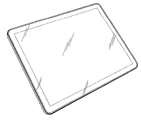
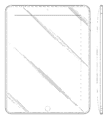
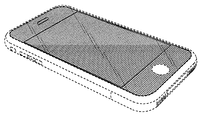
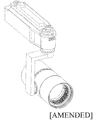
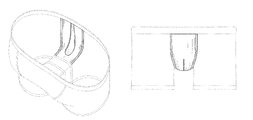
A patent covering the ornamental appearance of a functional object — its shape, configuration, or visual design — not how it works. Design patents last 15 years from grant. They are faster and less expensive to obtain than utility patents. Apple's US D618,677 patent on the iPhone's rounded-rectangle shape is a famous example; it was central to over $1 billion in damages against Samsung.

Where this comes up

Types of PatentsPatent Drawing Rules

In practice

Patents that use “Design patent

See the concept in real landmark patents, each explained in plain English.

Related terms

Keep going

Cross-referenced

Patent

A government-granted right that gives an inventor the exclusive right to prevent others from making, using, selling, or importing a patented invention within the country that granted the patent, for a limited time. A patent does not give the owner the right to practice the invention — only the right to exclude others. The US issues three types: utility, design, and plant patents.

Cross-referenced

Patent term

The length of time a patent stays in force. A U.S. utility patent's term runs 20 years from its earliest non-provisional filing date, provided maintenance fees are paid; a design patent lasts 15 years from grant. Patent Term Adjustment can add back days lost to USPTO delays, and a terminal disclaimer can shorten the term. When the term ends, the invention enters the public domain.

Declaratory judgment

A lawsuit in which a company that fears being sued for infringement asks a court to rule first — typically that it does not infringe, or that the patent is invalid. It lets an accused party control the timing and forum instead of waiting to be sued.

Double patenting

A rejection that stops an inventor from getting two patents for the same invention, or for an obvious variation of it. The common obviousness-type double patenting is usually overcome with a terminal disclaimer that ties the two patents' expiration dates together.

Dependent claim

A claim that refers back to and further limits another claim. For example: "The device of claim 1, wherein the housing is made of aluminum." If the claim it depends on is invalid, the dependent claim also falls. Dependent claims provide narrower protection but serve as fallbacks — if broader independent claims are invalidated, narrower dependent claims may survive.

Divisional

A patent application split off from a parent application because the USPTO determined the parent contained claims to more than one distinct invention. When an examiner issues a "restriction requirement," the applicant must elect one group of claims to pursue in the parent; the rest can be filed as a divisional. Divisionals get the parent's original filing date.

See design patent in real patents:

Search PatentBrief →